
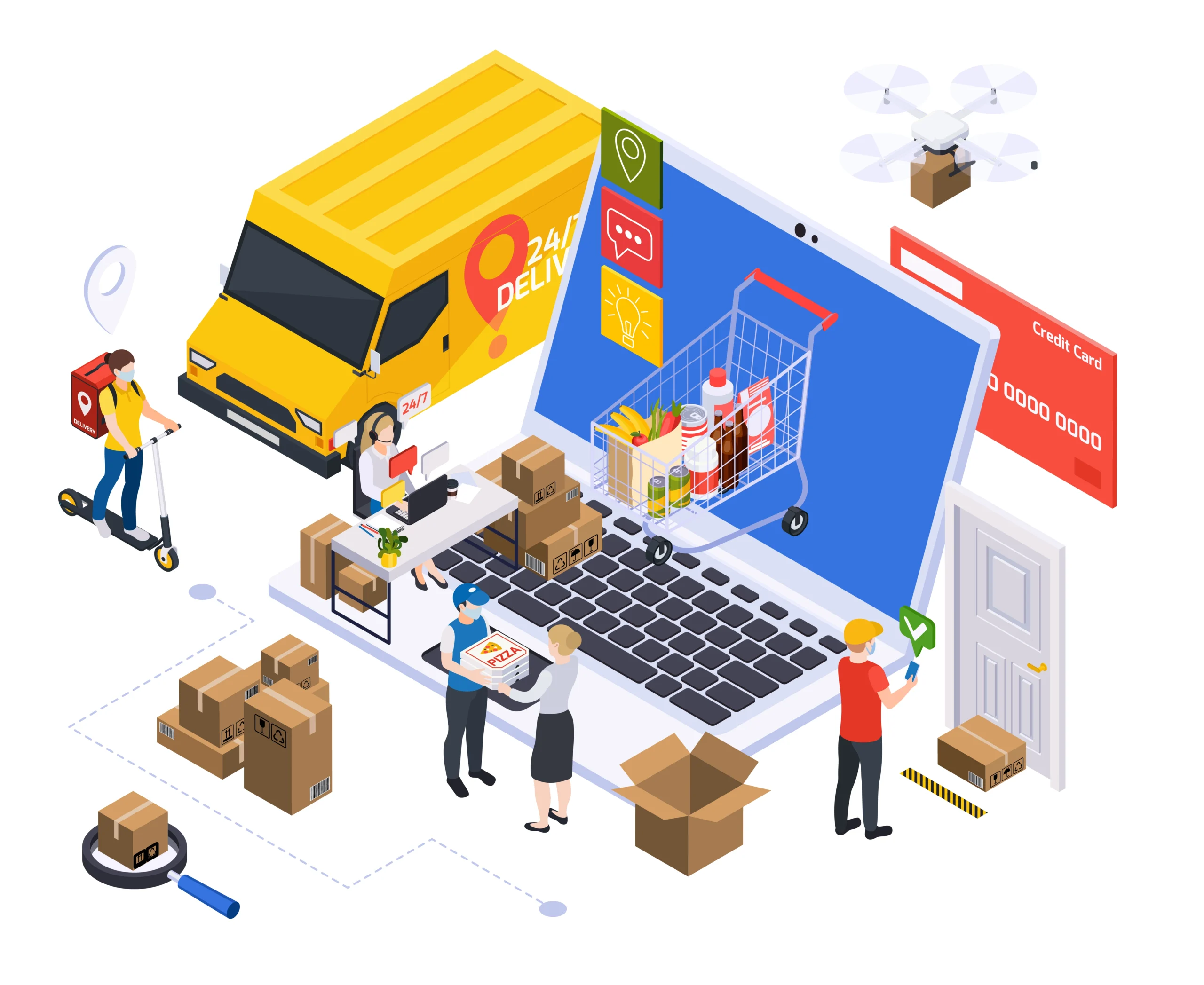
E-commerce has revolutionized how business is built by individuals and Amazon FBA is the epicenter of the revolution. Have you heard success stories on social media or heard a friend discussing how you can make a passive income and not have to leave the house, then you might be asking yourself: What is Amazon FBA? And is it still a viable opportunity in 2026? This guide simplifies all you need to understand, the functionality of the program, actual expenses, novice tactics, and the prospects of the current competitive market.
What Is Amazon FBA?
Amazon FBA is an abbreviation that refers to Fulfillment by Amazon. It is a service that enables third-party sellers to have their products stored in Amazon fulfilment centres. Once a customer has made a purchase, the staff at Amazon does the picking, packing, shipping, and sometimes even customer service and returns on behalf of the seller.
Essentially, Amazon FBA allows you to concentrate on the sourcing of goods, marketing and expansion of the brands as Amazon does the heavy lifting. This renders it especially appealing to entrepreneurs that would like to operate a product business without having to deal with a warehouse or a shipping operation.
How Does Amazon FBA Work? Step by Step
Step 1: Set up a Seller Account.
In order to begin with Amazon FBA, you must have an Amazon Seller Central account. The plan consists of two options: Individual (no monthly fee, but 0.99 per item sold) and Professional (39.99/month, recommended to sellers that have over 40 monthly sales). The Professional plan is selected by most serious sellers.
Step 2: Find Your Products.
It is in sourcing that you make or lose money. Popular sourcing methods comprise a private label (create your own branded item made abroad, usually through Alibaba), retail arbitrage (find a deal at a discount, sell it higher), wholesale (get a deal with distributors), and online arbitrage (find a deal online, sell it on Amazon).
The most scalable long-term strategy is the one called private label, which needs more initial capital and time to develop the products. Retail arbitrage is easier and cheaper to enter with less capital.
Step 3: Create Product Listings
Your online store is your product listing on Amazon. The perfect listing consists of optimized titles, strong bullet points, description, good quality images, and attractive prices. A9 algorithm of Amazon ranks the listings by their relevance and sales velocity, making SEO in the platform essential.
Step 4: Deliver to the Amazon Warehouse.
When you have created a listing, you package your inventory and send it to the fulfilment centres indicated by Amazon. The prices of shipping to Amazon FBA will depend on the weight, size, and source of your shipment. Sellers, domestically, tend to rely on UPS or partnered-carrier rates by Amazon. In the event of an international shipping of goods in China, sea transportation will cost an average of 2-4 per kilogram whereas air transportation will cost 5-8 per kilogram but be quicker.
Step 5: Amazon Fulfillment.
When your inventory is fulfilled, your goods will be eligible to be shipped with Amazon Prime – one of the strongest trust and conversion messages to customers. Amazon picks, packs, and ships the product within 1 to 2 days when orders are received. Amazon also handles customer inquiries and returns.
Amazon FBA Breakdown of Costs in 2026.
It is vital to know Amazon FBA cost before starting. One of the most typical causes why new sellers fail to manage profitability is not taking into consideration all fees.
Referral charges: Amazon collects between 8 to 15 percent of every sale on the basis of product category. Electronics are usually cheaper, whereas clothes and jewellery are more.
FBA fulfillment charges: This is charged per unit shipped and the cost varies between about 3.22 to large items costing around 8 and above. Fees are adjusted on an annual basis and it is therefore necessary to always check the rates in Seller Central.
Storage charges: Each month storage is about $0.78/cubic foot (Jan-Sep) and $2.40/cubic foot (Oct-Dec because of the holiday season). Storage costs are charged long-term (more than 365 days) on inventory.
Inventory investment: The new entrants usually begin with a stock of between 1,000 and $5,000. The minimum requirements of a sale of the first product are often between 3,000 and 10,000.
Other expenses: Product photography (300-600 dollars), UPC codes, Amazon PPC advertising, and software (Jungle Scout, Helium 10) are additional expenses to be added to startup costs.
The realistic start-up budget of Amazon FBA when starting as a beginner with a mind toward going private label is between $5,000 and 15,000. Retail arbitrage has a starting point of $500 to 1,000.
Will Amazon FBA Be Profitable in 2026?
The question that any aspiring seller is asking himself/herself is, is it too late? The truthful response is that Amazon FBA is more competitive than it used to be half a decade ago, yet profitability is still very accessible to sellers who go about it strategically.
Jungle Scout in a 2025 State of the Amazon Seller report noted that more than 60 percent of Amazon sellers are profitable, with a large number of Amazon sellers earning over $1,000 per month in profits. Those who are struggling usually include the sellers who select too crowded product niches, underestimate costs, or fail to invest in adequately listing optimization and marketing.
Keys to Success in 2026
In-depth product research: Find out the products with strong demand, competition that can be handled, and profit that is healthy with the help of such tools as Helium 10 or Jungle Scout.
Price is not everything: Amazon customers are becoming higher and higher. Good products with real favorable feedback are more effective than counterfeits.
Brand building: Amazon Brand Registry: With A+ Content, brand analytics, and counterfeit protection, register your brand on Amazon.
Amazon PPC skills: Pay-per-click advertising is necessary in case of new products. One of the essential skills is to learn how to conduct profitable campaigns.
The Practical First Steps of how to start Amazon FBA.
You are willing to start; here is how you can start Amazon FBA in reality. First, find out 10-20 potential product ideas by researching with the help of the keyword and demand data – find out the products between 25-70 that have less than 400 reviews among the leading competitors. Second, prove your idea by researching search volumes and seasonality. Third, locate suppliers on Alibaba, order samples, and price. Fourth, prepare your budget with inventory, shipping to Amazon FBA cost, photography, and advertisement. Lastly, start with a competitive price and do PPC campaigns to give it first momentum.
Conclusion
Amazon FBA is among the most available avenues to the establishment of an e-commerce business in 2026. The next thing to do after knowing what Amazon FBA is and how it works is to do some research and planning. FBA is not a matter of luck to succeed, but about the correct product selection, a real Amazon FBA cost, optimal listing, and a strict launch strategy. Millions of ordinary business people are generating valuable revenue using FBA today. You can be with them with the right attitude.
