
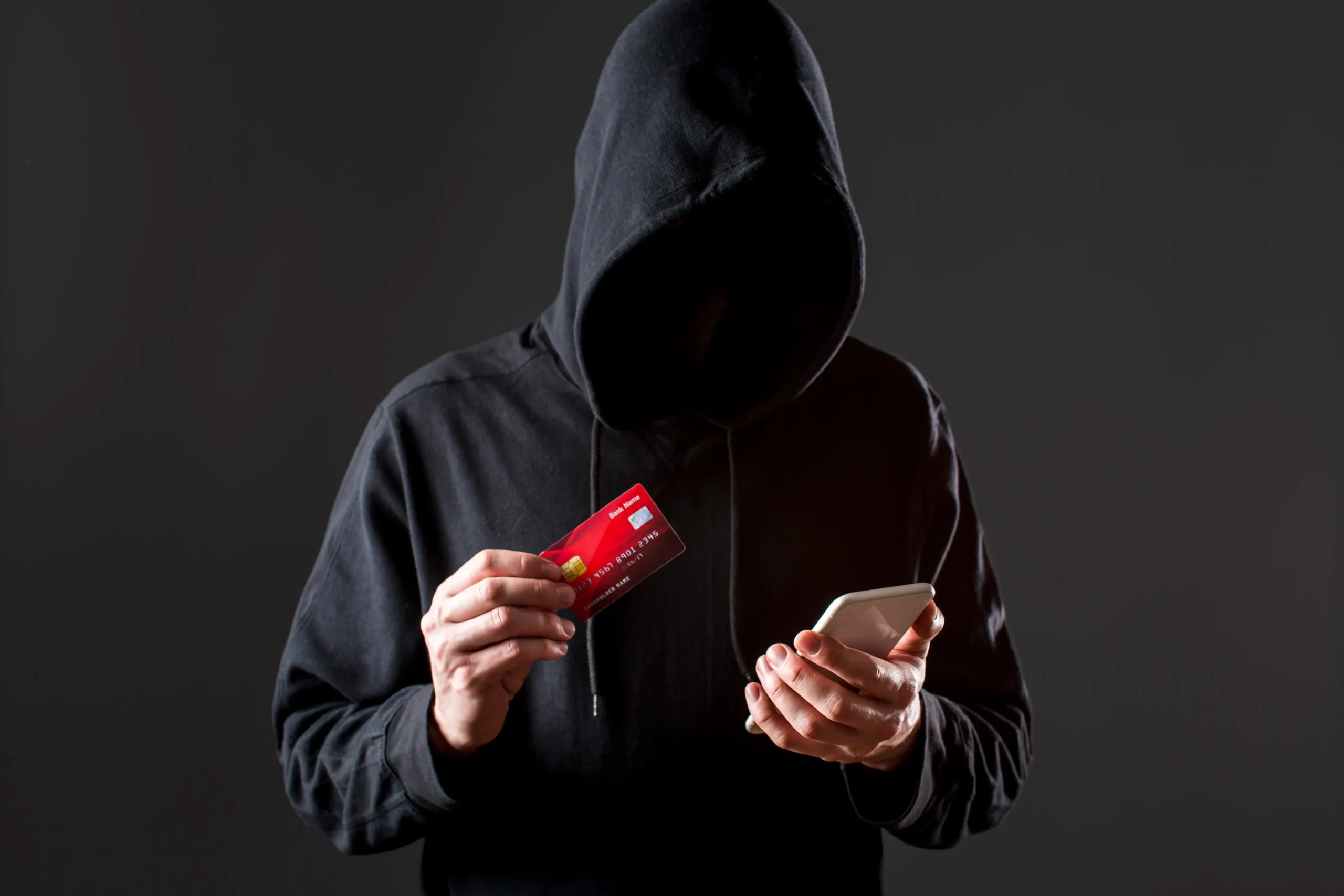
One of the most common crimes of digital times is identity theft. In 2023 alone, the Federal Trade Commission (FTC) received 1.4 million identity theft reports and cybercriminals are becoming increasingly sophisticated each year. It is no longer a choice to protect your identity on the Internet, but a necessity. This guide is a detailed cybersecurity checklist that contains actionable, practical steps that will ensure your personal information is secure and you are as unlikely to become an identity theft victim as possible.
Knowing About Identity Theft Protection: What is at Risk.
Identity theft is where a person gets your personal data- Social Security number, credit card numbers, bank account numbers or even login details and commits fraud. The impacts vary between unauthorized credit card charges to fraudulent loans taken in your name, theft of tax returns, medical identity theft, and criminal identity theft (when a person commits crimes under your name).
The average identity theft victim spends 200 hours and years dealing with the aftermath, according to the Identity Theft protection Center. The loss of finances may be in the thousands of dollars and the emotional cost, including stress, anxiety and poor credit, is considerable. It is far easier to prevent than cure.
The Ultimate Cybersecurity Checklist to Protect Identity.
The first tip is to use Strong & Unique Passwords on each account.
The most common reasons for account compromise are weak and reused passwords. A good password must be 16 characters or more, must contain both capital letters and lowercase letters, numbers, and characters, and must not contain information that can be easily guessed, such as birthdays or names.
With a password manager (Bitwarden, 1Password, Dashlane), you can make up and save complicated unique passwords to each account without having to remember them. This is among the most impactful best security practices that you can apply right away.
2. Activate Two-Factor Authentication (2FA) All Over.
Two-factor authentication involves a second authentication, on top of your password, such as a code sent to your phone or an authentication app-generated code. 2FA can be used even in case your password is stolen. Turn it on in email, banking, social media, and any other account that has sensitive information.
Google Authenticator (Authy) is more secure than 2FA by SMS, which can be attacked by SIM-swapping.
3. Check Your Credit On a regular basis.
Checking your credit reports will help you to identify unauthorized accounts or inquiries early. The three large bureaus (Equifax, Experian, TransUnion) are legally obliged to give a free credit report annually via AnnualCreditReport.com. A lot of financial apps are currently free to credit monitor and provide real-time notifications.
It might be worthwhile to consider having a free credit freeze in all three bureaus. Freeze will ensure that no credit will be opened in your name without your direct permission and this will make it much harder to become a victim of identity thieves.
4. Be Wary of Phishing Attacks.
The most notorious initial attack in identity theft protection is phishing, a type of fraudulent email, text, or call that aims to trick you into giving out personal information or clicking on malicious links. Examples of red flags are the use of urgent or threatening language, solicitation of personal information through email, mismatch in sender addresses, and suspicious links.
Hover the cursor over any link before clicking to get the real URL destination. Always be careful when uncertain about the e-mail, always go to the organization website.
5. Secure Your Devices
Always update operating systems and applications – security patches seal holes that attackers use frequently.
Use antivirus and anti-malware software on all devices
Encryption of devices (enabled by default on newer iPhones and Android; enabled with BitLocker on Windows)
Use of strong PINs, passwords or biometrics lock devices.
Never use the Wi-Fi at a public place to conduct sensitive transactions — or use VPN when necessary.
6.Guard Your Social Security Number.
The identity theft king key is your Social Security number. Always leave your Social Security card in your wallet. Be very careful of who you share it with, and wonder whether it is really necessary to organizations. Cut up documents that have your SSN and then dispose of them.
Is Identity Theft Protection Insurance Worth It?
The popular question is: is it worthy to protect against identity theft? Identity theft protection services such as LifeLock, Aura, IdentityForce among others usually cost individuals between $10 and $30 a month.
These services provide credit checks with all three bureaus, dark web searches of your personal data, Social Security number search, bank account alerts and identity theft insurance (usually 1 million dollars) to help with the recovery fee. Others such as the LifeLock identity theft protection have 24/7 restoration services that provide you with a guide through the process of recovery in case of theft.
The value of identity theft protection will vary based on your risk profile and financial means. To people with high income levels, complicated finances, or who have a history of identity theft protection, the security and peace of mind is usually worth the price. In the case of others, applying the free best security practices as defined in this guide will give a solid foundation of security protection without a subscription.
Developed Identity Protection Measures.
Dark Web Monitoring
Stolen credentials and personal data are sold and bought on the dark web. Such websites as HaveIBeenPwned.com (free) enable you to check whether your email addresses have been listed in a known data breach. In case your data has been compromised, then change your passwords.
Secure Your Mail
A relatively frequent method of identity theft protection is through physical mail theft. You may want to use a P.O. box or USPS Informed Delivery service, which notifies you of scans of daily incoming mail to detect when you should receive something but it does not.
Be Aware of Social Media Over Sharing.
Security questions given by financial institutions are typically personal information that was posted on social media, such as birthdate, hometown, high school, pet names. Check your privacy settings and be aware of the amount of publicly available information about yourself.
Protect Children’s Identities
The Social Security numbers of children are becoming a major target as they are known to have clean credit records and the theft can go away unnoticed over years. Parents are encouraged to freeze the credit of their minor children on their credit files and check them every year.
What to Do When Your Identity is stolen.
In case your identity is compromised, then take action. Send a warning of fraud to one of the credit agencies (they inform the others). Report to IdentityTheft.gov the identity theft protection site of the FTC, which will create a custom recovery plan. Report to the police. Financial institutions were directly impacted by contact. Ask to change your Social Security number in case the situation is critical and long-lasting.
Conclusion
The first step towards identity theft protection is personal responsibility and regular cybersecurity practices. All the actions listed in this checklist, such as using strong passwords, two-factor authentication, credit monitoring, phishing awareness, and device security, can be taken to provide effective defenses against the most frequently used attack vectors. It does not matter whether you subscribe to a premium service such as LifeLock identity theft protection or you stick to free best security practices; just be consistent. With data breaches being an unavoidable part of our lives, what you do and will do will mean the difference between a breach turning into a small hiccup or a crisis that will shake your life. Begin with the following checklist.
