
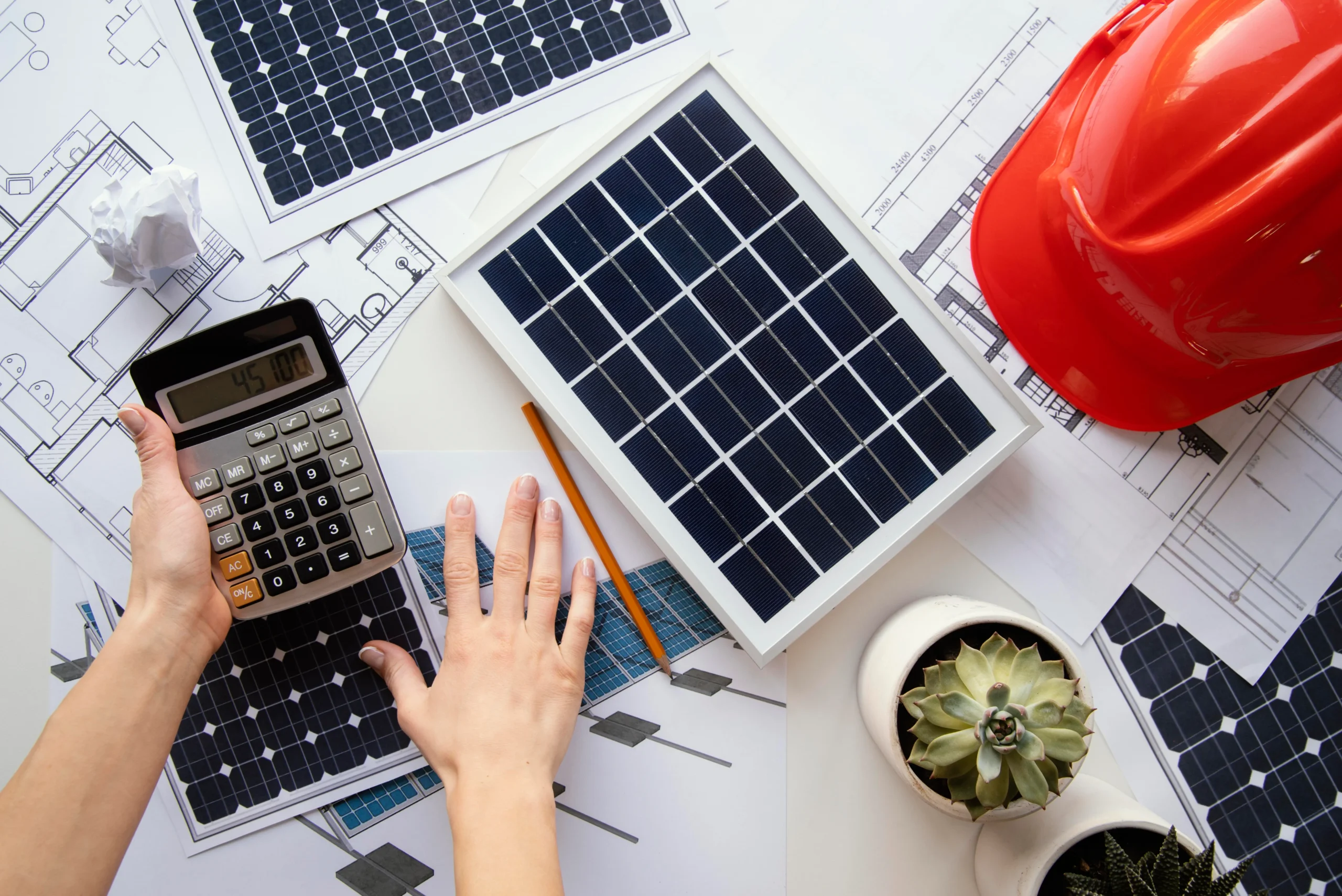
Solar energy has reached a significant milestone – it has become the cheapest source of electricity in the entire history of mankind, according to the International Energy Agency. In the case of residential customers, installing solar panels has never been so convenient and cost-effective. The switch to millions of households in 2026 is being fueled by the increasing utility rates, enhanced efficiency of the panels, and the generous federal and state incentive programs. Whether you are asking yourself about the viability of solar panels in your house, this detailed guide will take into consideration all the issues related to it, including the cost of the panels, and the overall savings.
The Reason Solar Energy is a good option in 2026
Prices of electricity have increased significantly in the last ten years. Residential electricity rates in most states in the U.S. have gone up by 30 to 50 percent since 2015. Solar panels fix your power bills and you are not subjected to future rate increases and in many cases a big chunk of your monthly power bill is removed.
In addition to savings, solar panels also boost the value of homes to be resold. Research conducted at Lawrence Berkeley National Laboratory concluded that solar powered homes fetch an average of 3 to 4% higher than their similar non-solar counterparts. For a $400,000 home, that’s $12,000 to $16,000 in added value.
The functioning of Solar Panel Installation.
Solar panel installation comprises a number of major procedures, starting with the preliminary evaluation and up to the ultimate commissioning. Knowing every step will assist you to establish realistic expectations and make wise choices in comparing services of solar panel installation.
Step 1: Site Evaluation and System Design.
The first step that a qualified installer takes is to assess the orientation, pitch, shading and the strength of your roof. Roofs facing south which have little shading normally produce the highest amount of energy. The installer then sets up a system that has the capacity to fit your household energy consumption using a 12 months utility bill.
Step 2: Permits and Approvals.
Solar installations must be permitted by a building permit, electrical permit, and in certain locations, HOA permit. The permitting process is done on your behalf by most reputable solar companies. This will take 2-8 weeks, depending on your municipality.
Step 3: Physical Installation
Typical installation of the solar panels normally takes 1-3 days. Crews set up racking systems on your roof, put solar panels on, run conduit and wiring to your electrical panel, and install an inverter to convert DC power on panels to AC power that is used to power your home.
Step 4: Inspection and Connection to the grid.
Once it has been installed, a local inspector checks the system to ensure that it complies with code. The utility company will then allow you to be connected to the grid so that you can do net metering which is a billing system that credits you when your panels produce more power than you need and it is sent to the grid.
The cost of the Solar Panel installation in 2026.
The installation of solar panels depends on the size of the system, type of panel, complexity of the roof and location. The average before incentive cost in 2026 is between 15,000 and 30,000 of a typical residential system.
Key Cost Factors
System size The majority of homes require a capacity of 6 to 12 kilowatts (kW). A 8kW system with a cost of about 20,000-28,000 before credits at about 2.50 to 3.50 to install a 1W, the cost is approximately 20,000 to 28,000 before credits.
Type of panel: the most efficient type of panel is the monocrystalline, which is a little more expensive than the polycrystalline panels. Premium brands such as SunPower or LG have a higher price but have better warranties.
Condition of roof: When your roof requires replacement then the extra amount of $5,000 to 15,000 should be included depending on the size and the materials of the roof.
Battery storage: To become energy independent in cases of grid outage, adding a battery backup system such as the Tesla Powerwall (around 10,000 to 15,000 to install) cost will be added.
Location: The cost depends on the state based on the labor costs, permit costs and the market competition. The installation costs in California, New York and Massachusetts are more likely to be high as compared to other states such as Texas or Florida.
Incentives and Tax Credits available.
The federal Investment Tax Credit (ITC) is a tax deduction of 30 percent of the federal taxes by homeowners who install solar panels by 2032. For a $22,000 system, that’s a $6,600 tax credit reducing your net cost to $15,400.
There are other states which also provide incentives: California has SGIP rebate and New York has state tax credit (25 percent up to 5000 dollars) and property tax exemptions that would not require your home to increase in value and thus make you pay more in property taxes.
How Much Will You Save?
With a solar panel, the average cost savings in electricity per American household in 25 years is between 20,000 and 97,000 dollars based on the local utility rates, system size and sun exposure. Savings can be in the six figures or more in a high-cost state, such as Hawaii or California, across the lifetime of the panel.
The average payback period – time during which the savings of energy will cover the installation costs – is between 6 and 12 years. The ROI is high as the panels have a 25-year warranty and can last 30 years or more.
Net Metering: Earning on Your Panels.
When a net metering system is offered by your state, your electric meter turns in reverse when your panels generate more current than you consume. This surplus energy is resold to the grid, which is again cut off or even canceled your electric bill. There are also different policies in each utility and state and therefore, it is important to ensure you have your local net metering policy before installing.
A Guide to Selecting the most effective Solar panels installation
There are not equal solar installers. As much as it is important to select the right solar panel installation services, it is equally important to select the right panels.
Check certification: Find installers who have been certified by the North American Board of Certified Energy Practitioners (NABCEP), the gold standard of solar professionals.
Compare and contrast quotes: The cost of installers of similar systems may differ by 20-30 percent. Compare no less than three quotes.
Check warranties: Find panel warranties with a minimum of 25 years and workmanship warranties that have at least 10 years.
Consider financing alternatives: Established businesses provide cash purchase, solar loans, leases and power purchase agreements (PPAs).
Checks/references: Read Google and Better Business Bureau reviews. Request references of recent installations within your area.
Financing of solar panels
Should the initial cost of the solar panel set-up pose an obstacle, a number of funding options are available. Solar loans (usually 5 to 25 year terms) allow you to own your system, but pay over time – in many cases with lower monthly payments than your existing electric bill. Solar leases and PPAs offer no initial cost, but do not own the system, which can impact your tax credit claim and can complicate the sale of the home.
Conclusion
In 2026, installing solar panels will present a strong energy saving, environmental, and financial payback to homeowners. The economics has never been stronger with the 30 percent federal tax credit, declining hardware prices and increasing utility prices. You may be motivated by saving money, achieving greater energy self-sufficiency, or cutting your carbon footprint, but the first step toward achieving it is to get a good evaluation of certified solar panel installers. The sun is shining – time to make it work.
