
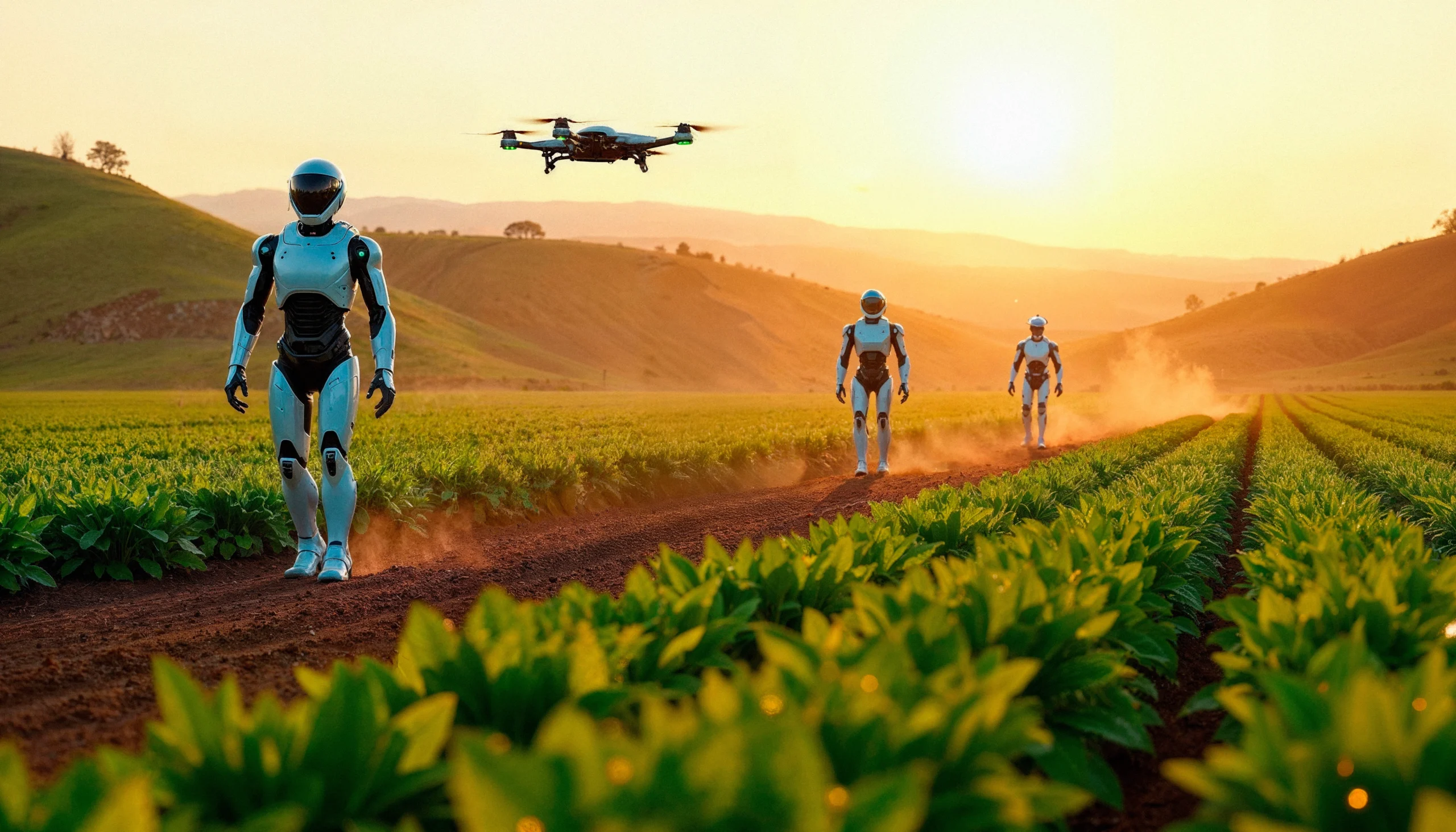
AI in agriculture is rapidly transforming how food is grown, monitored, and distributed in a world facing climate change, population growth, and resource limitations. Traditional farming methods are increasingly being supported by intelligent technologies that improve accuracy, efficiency, and sustainability. From crop monitoring to predictive analytics, artificial intelligence is becoming an essential tool for modern agriculture systems.
Recent reports indicate that the adoption of AI-driven agricultural solutions has increased significantly over the past few years, driven by the need to maximize yields while minimizing environmental impact. Understanding the use of AI in agriculture helps explain why this technology is now central to the future of farming.
What Does AI in Agriculture Mean?
AI in agriculture refers to the application of artificial intelligence technologies such as machine learning, computer vision, and data analytics to agricultural processes. These systems analyze large volumes of data collected from sensors, satellites, drones, and farm equipment to support better decision-making.
The use of AI in agriculture enables farmers to detect patterns that are not easily visible through manual observation. This includes identifying crop stress, predicting weather impacts, and optimizing irrigation schedules. As agriculture becomes more data-driven, AI plays a critical role in turning raw information into actionable insights.
How AI in Agriculture Works in Practice
AI systems in agriculture rely on data collection, processing, and continuous learning. Sensors placed in fields gather real-time information about soil moisture, temperature, and nutrient levels. AI models then analyze this data to provide recommendations that improve productivity and reduce waste.
AI in agriculture examples include automated machinery, crop disease detection tools, and yield prediction models. These technologies help farmers respond quickly to changing conditions, improving both efficiency and resilience. As data quality improves, AI systems become more accurate over time, enhancing long-term agricultural planning.
Real-World AI in Agriculture Examples
Across the agricultural sector, AI is already delivering measurable results. Farmers and agricultural organizations are adopting intelligent tools to address long-standing challenges such as labor shortages and unpredictable weather patterns.
- AI-powered image recognition to detect crop diseases early
- Smart irrigation systems that adjust water usage automatically
- Predictive analytics for yield forecasting and supply planning
- Autonomous equipment for planting and harvesting
These AI in agriculture examples demonstrate how technology can support sustainable farming while reducing operational costs and resource consumption.
Benefits of AI in Agriculture for Farmers and Consumers
The benefits of AI in agriculture extend beyond productivity gains. By enabling more precise farming techniques, AI contributes to environmental sustainability and food security. Farmers can apply fertilizers and pesticides more accurately, reducing chemical runoff and soil degradation.
Another key benefit of AI in agriculture is improved risk management. Predictive models help anticipate pest outbreaks, extreme weather events, and market fluctuations. This allows farmers to make informed decisions that protect crops and stabilize income. Over time, these advantages support a more resilient agricultural ecosystem.
Why the Use of AI in Agriculture Is Increasing
Several global trends are accelerating the adoption of AI in agriculture. Population growth is increasing demand for food, while climate variability is making traditional farming methods less reliable. AI provides tools to adapt to these challenges by enhancing precision and reducing uncertainty.
The use of AI in agriculture also supports better resource management. Water scarcity and soil health concerns have pushed the industry toward data-driven solutions. AI systems help optimize inputs, ensuring that resources are used efficiently without compromising crop quality or yield.
Challenges and Considerations in AI Adoption
Despite its potential, AI in agriculture faces challenges related to data access, infrastructure, and technical expertise. Small-scale farmers may struggle with the cost and complexity of implementing advanced systems. Addressing these barriers is essential to ensure equitable access to AI technologies.
Data privacy and system reliability are also important considerations. As AI becomes more integrated into farming operations, maintaining transparency and accuracy will be critical. Continued research and education can help bridge knowledge gaps and promote responsible use of AI in agriculture.
The Future Outlook of AI in Agriculture
Looking ahead, AI in agriculture is expected to play an even greater role in shaping global food systems. Advances in robotics, climate modeling, and real-time analytics will further enhance farming efficiency. These innovations aim to balance productivity with sustainability as environmental pressures increase.
In conclusion, AI in agriculture represents a significant shift toward smarter, more resilient farming practices. Through practical AI in agriculture examples, clear benefits of AI in agriculture, and expanded use of AI in agriculture, the industry is evolving to meet modern challenges. As technology continues to advance, AI will remain a cornerstone of agricultural innovation and long-term food security.
