
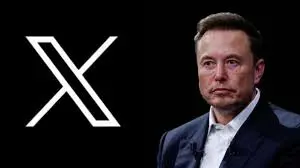
Few acquisitions in tech history have sparked as much debate as Elon Musk’s takeover of Twitter, now rebranded as the Elon Musk X platform. Since completing the 44 billion dollar deal in late 2022, Musk has systematically dismantled the old Twitter and rebuilt it into something dramatically different. Whether you see X as a bold vision for a digital public square or a chaotic experiment in free speech, its impact on social media is undeniable and far-reaching.
What Happened to Twitter? The Transformation Into X
Twitter was founded in 2006 and for over a decade served as the world’s digital town hall, the go-to platform for breaking news, political discourse, celebrity commentary, and real-time conversation. In October 2022, Elon Musk completed his acquisition and quickly began making sweeping changes.
The most visible change came in July 2023 when Twitter’s iconic blue bird logo was replaced with the letter X, and the domain twitter.com began redirecting to x.com. The rebrand was not cosmetic; it signaled a fundamental shift in the platform’s identity and ambitions. What happened to Twitter is not just a name change. It is an ongoing transformation into what Musk describes as an everything app.
The Vision Behind the Elon Musk X Platform
Musk has repeatedly cited China’s WeChat as his inspiration. WeChat is a super-app used by over a billion people for messaging, payments, news, shopping, and more all within a single interface. Musk’s goal for the Elon Musk X platform is strikingly similar: to create a one-stop digital hub where users can communicate, consume content, conduct transactions, and even invest.
X as a Financial Platform
One of the most ambitious elements of X’s evolution is its push into financial services. Musk has filed for money transmitter licenses across several U.S. states, and X has announced plans for peer-to-peer payments, savings accounts, and potentially cryptocurrency integration. This would place X in direct competition with platforms like Venmo, PayPal, and traditional banking apps.
X Premium Features
To generate revenue and create a tiered user experience, X introduced X Premium, formerly known as Twitter Blue. X premium features include the following benefits for subscribers.
- Blue checkmark verification for paying subscribers
- Priority ranking in replies and search results
- Ability to post longer videos and written content
- Revenue sharing for creators who meet engagement thresholds
- Reduced ad exposure and early access to new platform features
These features represent a deliberate shift away from relying solely on advertising revenue, which declined significantly after the acquisition due to advertiser concerns about content moderation changes.
X vs Twitter 2026: What Has Actually Changed?
Comparing X vs Twitter in 2026 reveals dramatic differences in almost every dimension. The platform has undergone structural, cultural, and technical transformations that make it a fundamentally different product.
Content Moderation Shifts
One of the most controversial changes under Musk has been a loosening of content moderation policies. Thousands of previously banned accounts were reinstated, including politically controversial figures. This shift ignited significant debate about the balance between free expression and the spread of harmful content.
Workforce Reduction
Within weeks of acquiring Twitter, Musk laid off approximately 80 percent of the workforce, reducing the company from around 7,500 employees to fewer than 2,000. While Musk argued this improved efficiency, critics pointed to increased platform outages and slower feature development as consequences.
Algorithm Transparency
In a notable move toward openness, X released portions of its recommendation algorithm as open source. This was unprecedented for a major social media platform and gave researchers and developers insight into how content is ranked and surfaced.
Elon Musk X Revenue: How Does X Make Money?
Elon Musk X revenue comes from several streams, reflecting the platform’s effort to reduce dependence on advertising.
- X Premium subscriptions from individual and organizational accounts
- Display advertising, though at significantly reduced rates compared to legacy Twitter
- Creator monetization programs that generate platform fees
- Data licensing to businesses and AI research companies
- Future payment processing fees from X Money, currently in development
The platform’s advertising revenue reportedly fell sharply in 2023 and 2024, with major brands pausing campaigns over brand safety concerns. However, some advertisers have since returned, attracted by competitive pricing and improved targeting capabilities.
X Social Media Growth: Is the Platform Surviving?
Despite the turbulence, X social media growth tells a mixed story. The platform still boasts hundreds of millions of monthly active users globally. Certain communities particularly those in finance, politics, tech, and sports remain deeply engaged on X. Real-time conversation around breaking news and live events continues to be one of X’s strongest value propositions.
Competing platforms like Threads from Meta and Bluesky have attracted users who felt alienated by the changes at X. However, none has fully replicated X’s unique blend of news, culture, and real-time discourse at scale.
The Broader Impact on Social Media
The Elon Musk X platform has forced the entire social media industry to rethink its assumptions. The willingness to disrupt a platform with hundreds of millions of users has shown that even the most entrenched digital institutions are not immune to radical change. It has also accelerated conversations about platform ownership, content moderation standards, and the role of individual billionaires in controlling public communication infrastructure.
For marketers, the volatility of X has pushed many to diversify their social media strategies rather than relying on any single platform. For users, it has sparked a broader awareness of digital media ownership and the fragility of online communities.
Conclusion
The Elon Musk X platform represents one of the most dramatic experiments in social media history. Whether it ultimately becomes the everything app Musk envisions or carves out a more specialized role in the digital landscape, its influence on how we think about social media platforms, revenue models, and free speech online is already profound. X has changed social media not just by rebranding, but by challenging every established assumption about how these platforms should operate and who they should serve.
